Fifteen years.
Still obsessed.
Still figuring it out.
It started in '97 with Quake skins. I wanted my character to look like mine, not like everyone else's default, so I taught myself to change it. No course, no plan, just a kid who couldn't leave the screen alone... That kid somehow ended up leading design teams, working across three continents, which still makes no sense to me.
The title keeps moving. UX, product designer, design engineer, whatever the year wants to call it. The part I care about hasn't moved: I design interfaces with the business behind the brief in mind, not just the pixels in front of me.
Most of my time now goes to diagnosis, not button colors. A weak funnel isn't automatically a design problem, sometimes it's the positioning, sometimes it's the copy doing quiet damage while the layout takes the blame, and the brief almost never tells you which one it is or why it's been quietly bleeding for months. Finding what it's hiding is the job.
Some people call me the butter. I spread across strategy, UI, CSS, data, and long talks with designers who are early and unsure. The gap between the boxes is the part I'm good at.
I came up the unglamorous way. Junior at a sports events agency, shipping sites nobody bragged about. I was chasing conversion before it became the word in every brief, already more curious about what people actually do than what clients believe they want.
After that, a run of industries, each one with its own logic and its own favorite way of hiding the real problem inside the wrong brief. You stop trusting the first explanation pretty fast.
At GIF I led a team that was genuinely good while the process around them quietly fell apart. The delays looked like design problems. They weren't. Fuzzy inputs made fuzzy outputs, and the revision loops ate the margin alive. So I went after the inputs. Sharper briefs, kickoffs that ended in real decisions, meetings that earned their place or got cut.
The results weren't subtle. Margins climbed from 38% to 65%. Delivery got up to 70% faster. First review dropped from a couple of weeks to under one. The four-day week wasn't a perk we voted on, it's what was left once nobody had to be rescued every Friday. None of it came from grinding harder. It came from building something that held on its own.
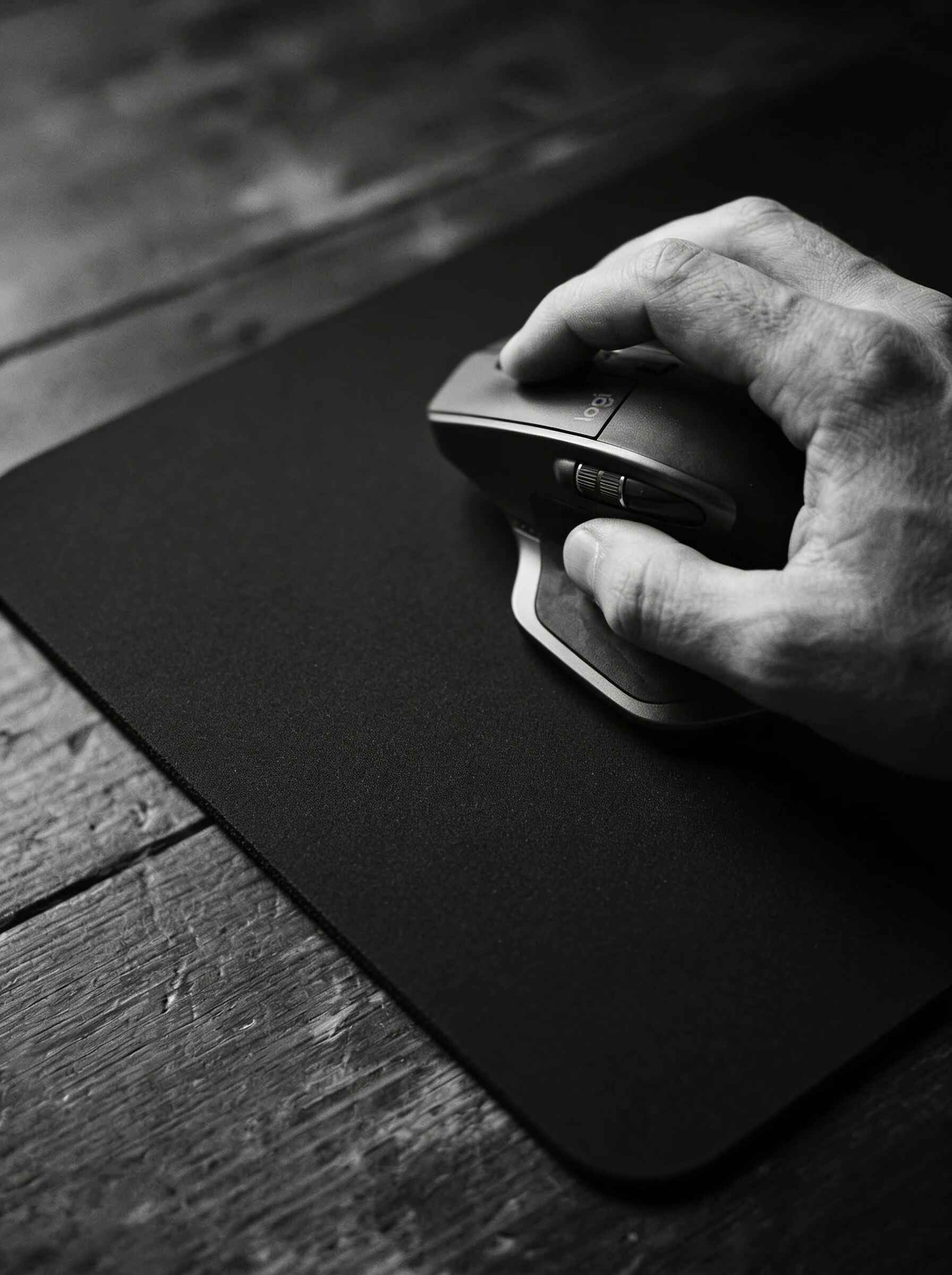
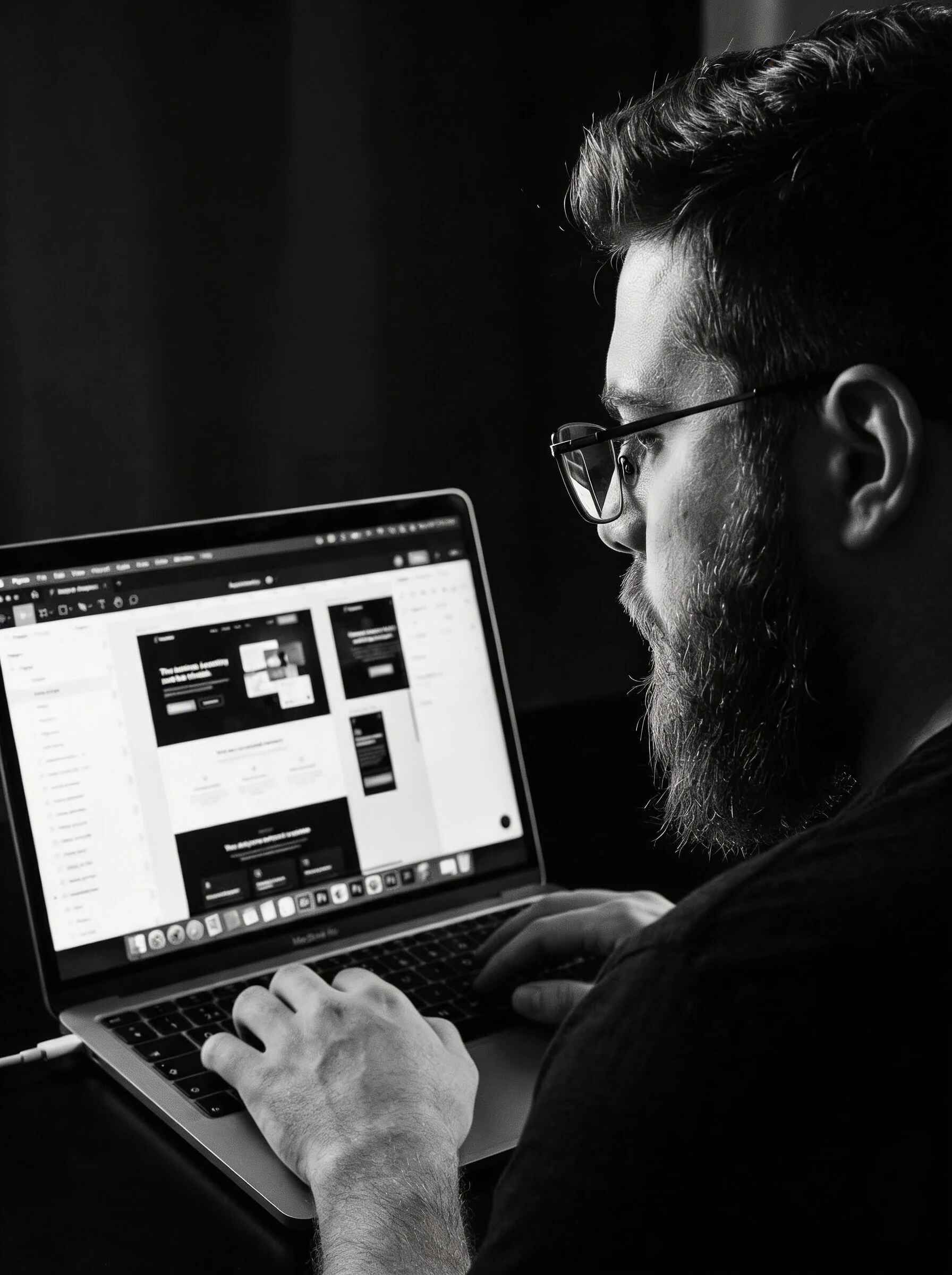
The hard part was always people, not pixels. Designers bring me two things: a UI knot they can't untangle, and the quieter question of what to do when the job is grinding them down. I take both seriously. A review that leaves someone defensive costs more than the revision it was trying to prevent, the kind of cost that never shows up on the timeline but quietly grinds down trust, momentum, and the next three handoffs. Feedback is a craft. Most people treat it like a chore.
Mentoring is the part I'd protect over almost anything. Early designers, convinced everyone else got a memo they missed. I won't sell them a cure for imposter syndrome, because there isn't one. It stays. You just stop checking the door for it to leave.
Handing over a file isn't the finish line. The work is done when it's live, documented, and behaving the way it was meant to. Accents intact. Spacing that doesn't drift. A site carrying the full weight of the brand instead of almost getting there. "Almost" usually means someone forgot the human who has to read it, use it, or keep it alive later.
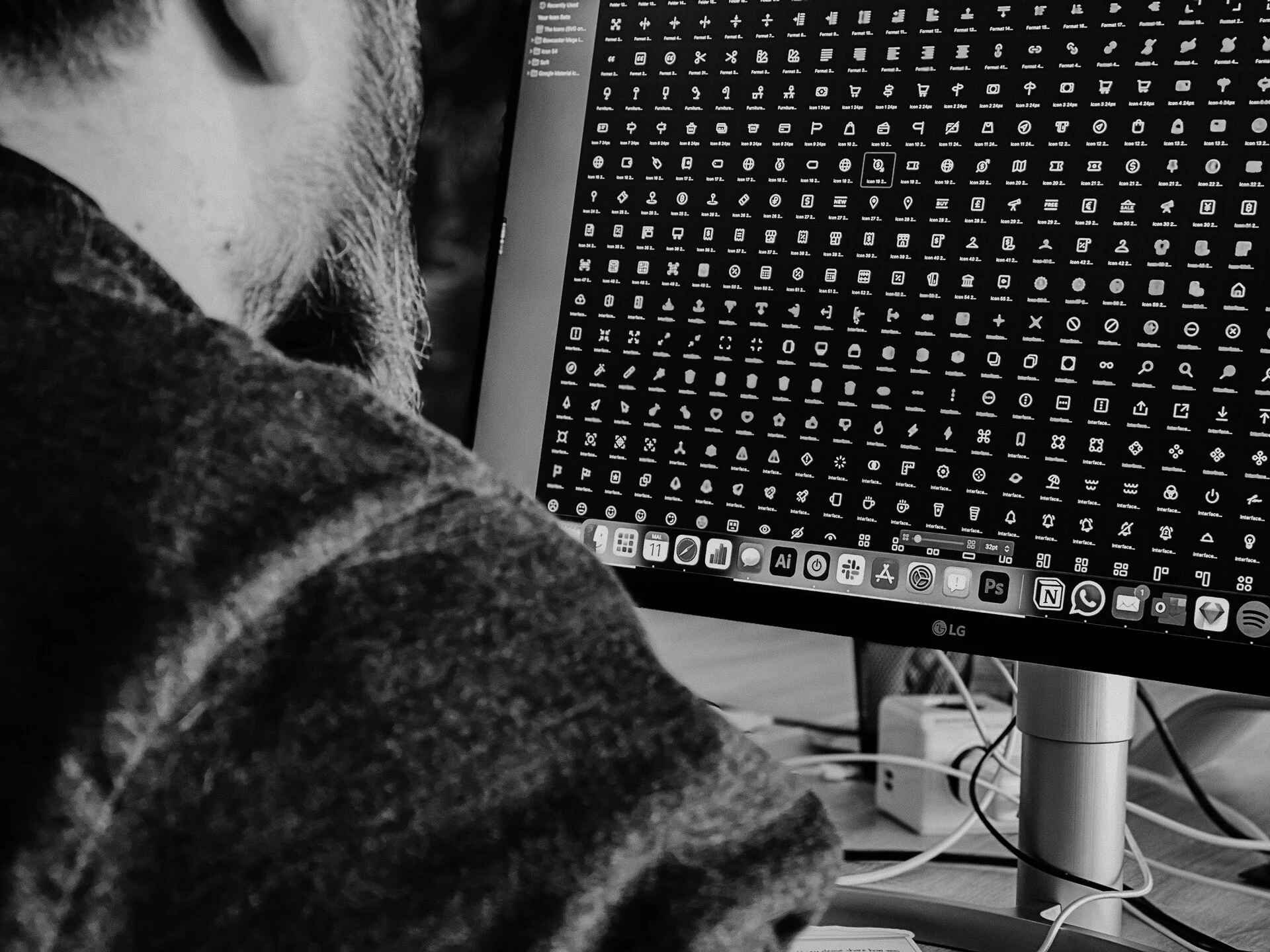
I worry about the companies I work with more than my own career. Probably not the healthiest place to leave that dial. And remote stopped being a workaround for me a long time ago, it's just where I do my best work.
I was doing this before it had a name. I'll still be doing it after it picks up a dozen more. If your brief feels like it's hiding something, that's my favorite place to start.
If you already know what needs doing, great. Let's jump to the good part.